1-844-655-0880



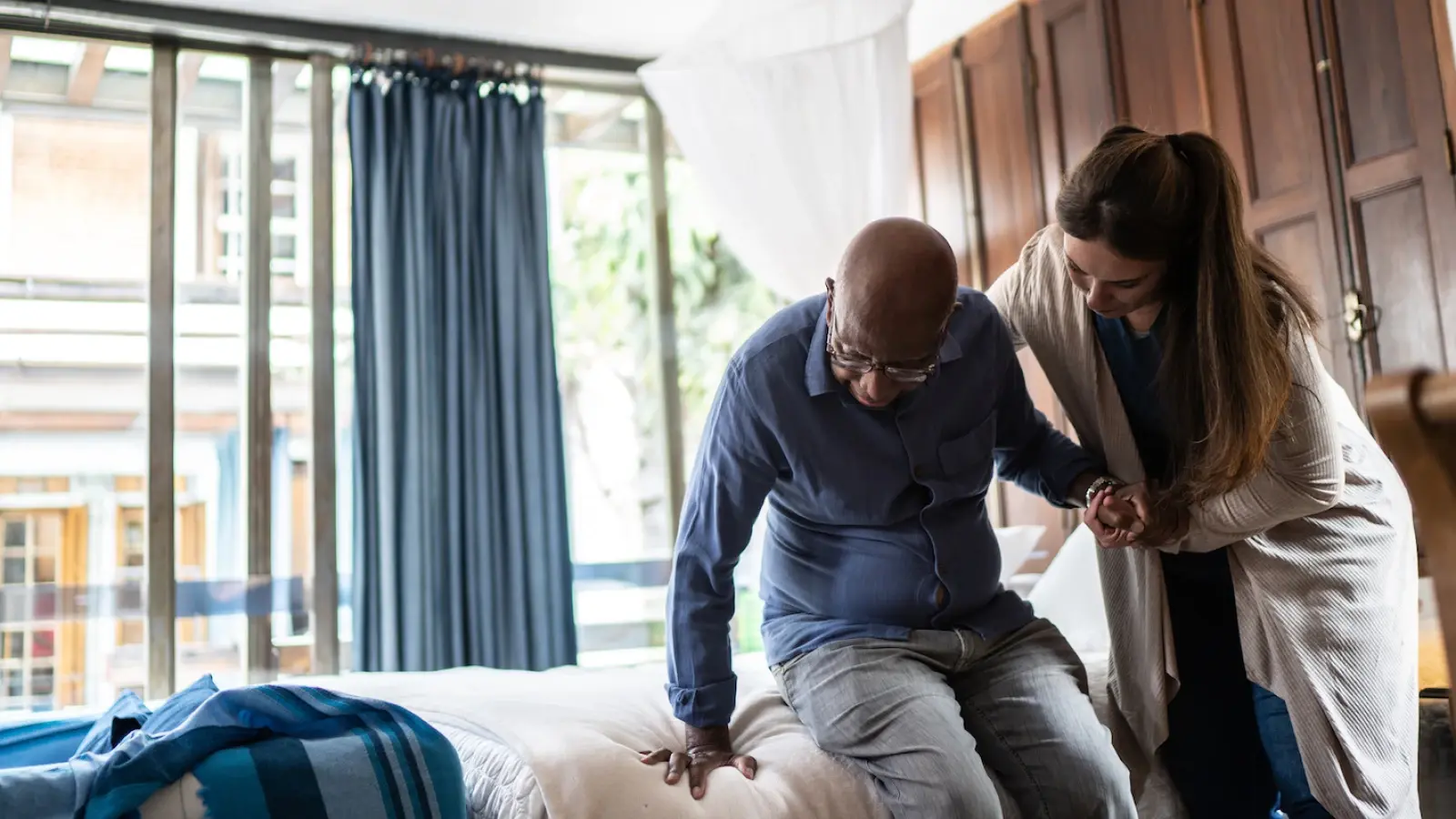
A fall can be a serious threat to your loved one’s health, confidence, and independence. Each year, 3 million older adults end up in emergency rooms as a result of a fall, and one in five falls causes a serious injury, like a hip fracture or a head injury.
Research shows that the repercussions of a fall can range from feelings of depression or anxiety and cognitive decline to a reduced sense of independence and the limiting of social and physical activities.
A fall can dramatically change your loved one’s life, but it’s not an inevitable part of aging. You can help a loved one reduce their risk of falling—and remain active and independent—by incorporating a few techniques to help improve their mobility. Here’s how.
Keep Them Active and Safe
Supporting an older adult’s mobility is a way to give them the assistance they need to safely perform everyday tasks, like getting dressed, making a meal, and navigating around their home.
“It’s about supporting their safe, independent function by helping them perform activities, such as daily tasks, and doing physical exercises that can improve their strength, power, endurance, and balance. That, in turn, can help protect them from falls,” explains Beth Popolizio, PT, DPT, a Neurological Rehabilitation Clinician who works as a Training Manager at TheKey. “Depending on the help they need, mobility support can range from supervision, where you stand by and oversee your loved one to make sure they’re safe as they move around, to taking a much more hands-on approach and assisting them as they stand up.” In other words, it’s about tailoring the approach to your older adult’s needs.
In addition to the physical benefits of supporting mobility, there are also emotional perks, such as building an older adult’s confidence. This is especially helpful for conquering a fear of falling, Dr. Popolizio says. Being afraid they might fall is common among older adults, especially if they’ve fallen before. The problem is, they may become so fearful of falling that they end up moving less, which ultimately puts them at an even greater risk of falls, she points out.
“Limiting activity weakens the systems in the body that work together to maintain balance,” Dr. Popolizio explains. It also diminishes the strength of the muscles that support a person as they perform basic movements like getting in and out of a chair. As balance and muscle strength decline, so does an older adult’s ability to safely stand, walk, and move around in general.
When your loved one can’t move around safely, their social interaction may also shrink. “Being apprehensive about falling impacts a person’s level of participation in the community and keeps them from engaging in things they enjoy,” says Michael Wasserman, MD, a geriatrician, Past President of the California Association of Long-Term Care Medicine, and a member of TheKey’s Scientific Advisory Board. For example, your loved one might start skipping the weekly card game they used to look forward to or stop going out to lunch with friends. Fear of falling can also lead to loneliness, social exclusion, and even depression, Dr. Wasserman says. But helping your loved one by improving their mobility can keep them active and engaged.
5 Simple Ways to Improve Mobility to Prevent Falls
These are the techniques Dr. Popolizio recommends to help give your loved one assistance with mobility.
1. Promote Regular Daily Activity That Builds Balance and Strength
“Getting an older adult to participate in routine activities is a great way to help them start to build strength and confidence,” Dr. Popolizio says. You might invite them to help you prepare a meal, for example, or suggest that they walk outside with you to see the garden.
To help improve their balance, have them occasionally sit and stand on different surfaces throughout the day. For instance, they could stand on carpeting in the living room and wood floors in the dining room, and sit on the bed as well as a chair that’s less cushioned. Changing the surfaces they sit and stand on gives their body new sensory information, which is a component of balance, and forces different muscles to activate to help them stay upright, Dr. Popolizio says.
2. Enroll Your Loved One in an Exercise Program
Structured exercise sessions can help older adults become stronger and more stable on their feet. In fact, just one session a week of balance and strength training exercises under the supervision of a trained professional may help prevent age-related declines in mobility and strength, according to a study published in Aging Clinical and Experimental Research. Recent clinical practice guidelines have identified community-based exercises as being especially beneficial, Dr. Popolizio notes.
If your loved one has fallen in the past, or if they have balance issues, consider bringing in a physical therapist to work with them, Dr. Popolizio says. The physical therapist can customize an at-home exercise regimen that’s specifically designed to improve their balance and strength. The American Physical Therapy Association can help you find licensed physical therapists in your area.
You can also look into the free or low-cost fitness classes for older adults offered at many community centers, health clubs, and online platforms such as SilverSneakers. Tai chi can be a particularly good option, as research shows this gentle form of exercise can improve balance and reduce the fear of falling.
3. Give the Right Level of Physical Support
One of the most common mistakes Dr. Popolizio sees with mobility support is family caregivers who provide too much assistance. “Many older adults tell me, ‘I feel manhandled,’” she says.
The goal is to give your loved one enough support to move around safely, but not so much that their balance system and muscles weaken from underuse, she explains. Don’t hoist them to their feet or pull them out of the car, for example. Instead, let them guide you on what they need. A simple arm for support while they’re walking might be enough. And be respectful; ask them what would be helpful. Do they want you to support them as they stand up from a chair? Or would they prefer to try to do it themselves with you standing by for possible backup?
4. Encourage the Use of Assistive Devices
Supporting mobility can involve the use of walkers, canes, grab bars, handrails, shower chairs, and raised toilet seats. A cane may be a good option if your loved one has a slight strength imbalance or joint impairment on one side. A walker may be a better choice if they have significant weakness on both sides or poor coordination.
It’s best to consult with a physical therapist to determine whether an assistive device is needed and, if so, which one is best, Dr. Popolizio says. The physical therapist can also help fit or size the device and teach your loved one how to use it safely. (Medicare Part B covers part of the cost of some assistive devices—known as durable medical equipment—if they are medically necessary and prescribed by a physician.
5. Conduct a Home Safety Evaluation
An estimated six out of 10 falls happen at home.
Mobility Support Do’s and Don’ts
Don’t: Tell your loved one what to do. Refrain from saying things like, “Stand up” or “Get in the car,” which sounds like you’re ordering them around.
Do: Talk to your loved one in a person-centered way, Dr. Popolizio says.
Don’t: Force your loved one to get up or move before they’re ready.
Do: Let your loved one initiate the activity.
Don’t: Lift your loved one to their feet by pulling up under their arms.
Do: Help them to their feet by standing on their weaker side.
Don’t: Assume the person can manage the stairs on their own if they’re using an assistive device like a cane.
Do: Teach your loved one to step up with their stronger leg first when climbing stairs.
Don’t: Encourage your loved one to hold onto the towel rack when getting in and out of the shower or bathtub.
Do: Install grab bars as a safety measure.
Is Your Family Considering Home Care?
We can help you understand your options and determine the best plan for your family, your budget, and your loved one's care needs. Give us a call at 1-844-655-0880 and we'll get back to you within 24 hours.