Understanding Why Seniors Resist Hearing Aids
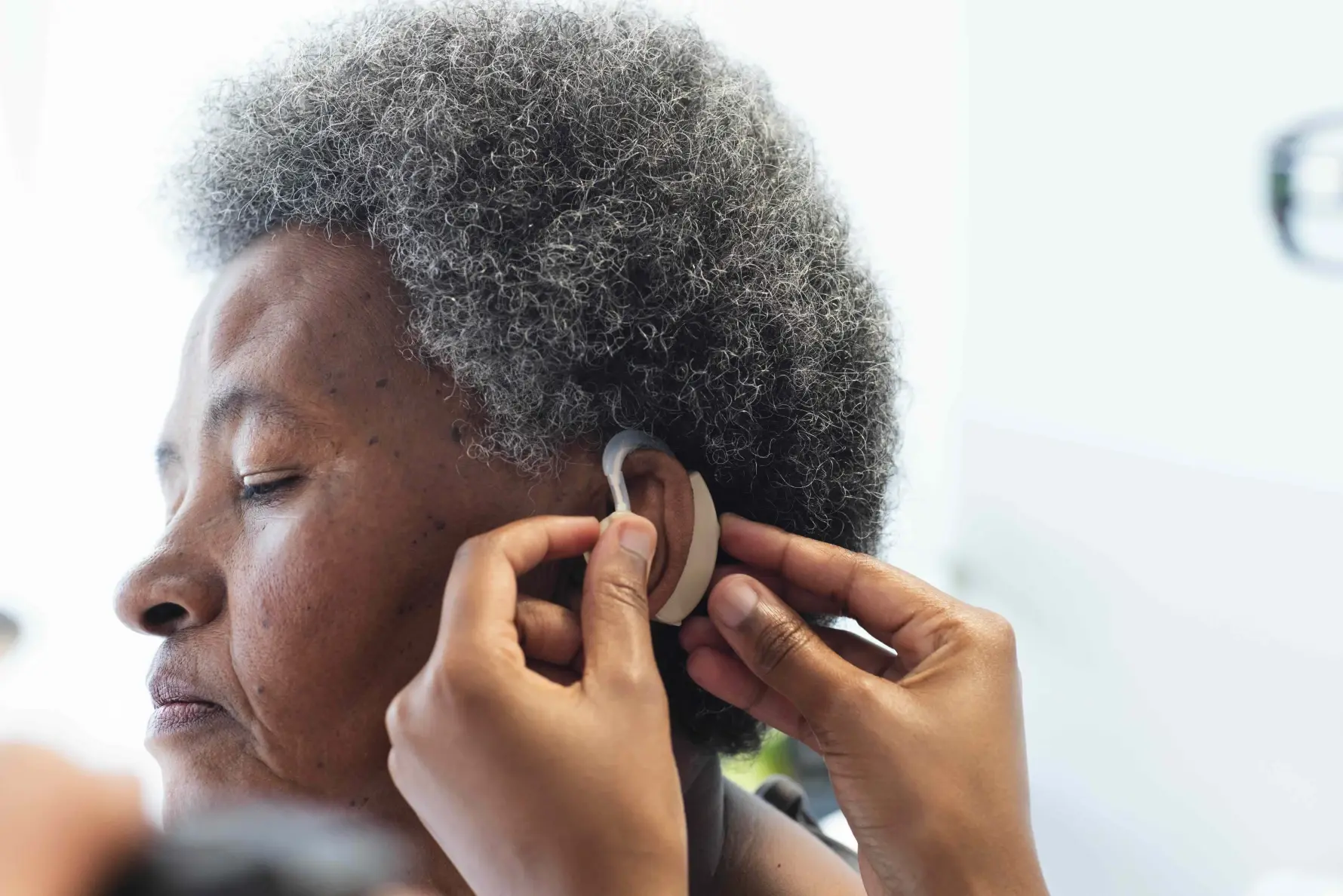
Hearing loss is a natural part of aging, yet many older adults delay seeking help or outright refuse to wear hearing aids. Despite the life-changing benefits these devices can offer, it’s common to hear statements like, “I can hear just fine—everyone else just mumbles,” or “They’re uncomfortable and make me look old.” These responses often stem from more than just personal preference—they reflect deeper concerns like fear of dependence, denial, stigma, or financial burden.
At TheKey Canada, we see firsthand how untreated hearing loss affects not only a senior’s ability to communicate but also their independence, social engagement, and even their safety. Many fear that acknowledging hearing loss could lead to further losses—such as the ability to drive, live alone, or participate fully in life. But in truth, the earlier hearing challenges are addressed, the better the outcomes for emotional well-being, physical safety, and quality of life.
Common Reasons Seniors Avoid Hearing Aids
There are several emotional, practical, and social reasons why many seniors resist hearing aids:
- Denial of Hearing Loss: Because hearing loss happens gradually, many don’t realize how much they’ve lost. It often goes undiagnosed for 5 to 10 years.
- Fear of Dependence: Some seniors associate hearing aids with aging and vulnerability, worrying that accepting help could lead to loss of autonomy.
- Social Stigma: There’s still a misconception that wearing hearing aids is a sign of being “old” or “incompetent,” even though modern devices are discreet.
- Cost and Affordability: High-quality hearing aids can be expensive, and insurance coverage is not always available, making them feel out of reach.
- Difficult Adjustment Period: Hearing aids require adaptation. Programming, fitting, and follow-up appointments can feel overwhelming and frustrating.
Consequences of Untreated Hearing Loss
When left unaddressed, hearing loss can have serious ripple effects across a senior’s overall well-being. These may include:
- Social withdrawal due to difficulty following conversations
- Increased risk of falls linked to inner ear and balance issues
- Heightened feelings of depression or loneliness
- Cognitive decline due to reduced auditory stimulation
- Strain on family communication and relationships
At TheKey, we support seniors and families in recognizing these warning signs and help create a proactive care plan that encourages engagement, independence, and safety.
How TheKey’s Private Home Care Services Can Help
Our personalized home care services are designed to meet seniors where they are—with compassion, expertise, and encouragement. For those living with hearing loss, our trained caregivers provide:
- Patient and clear communication techniques to reduce confusion and frustration
- Daily assistance and reminders for hearing aid usage, cleaning, and maintenance
- Transportation and support for audiology appointments and follow-ups
- Emotional support and companionship to reduce isolation and build confidence
- Customized care planning that includes coordination with family and health professionals
Our caregivers are trained to understand the emotional impact of hearing loss and help seniors navigate the journey with patience and dignity.
The Benefits of Embracing Hearing Aids
Encouraging a loved one to try hearing aids—especially with support—can significantly enhance their quality of life. Key benefits include:
- Improved balance and reduced risk of falls
- Better communication and connection with loved ones
- Increased independence and confidence
- Greater participation in social activities
- Enhanced emotional stability and well-being
Modern hearing aids are much more comfortable, discreet, and advanced than ever before. With proper fitting by a hearing specialist and consistent follow-up, most users find great success.
Is Your Loved One Struggling With Hearing Loss?
We can help. At TheKey, our compassionate caregivers provide expert support to seniors facing hearing loss—helping them regain confidence, improve communication, and enjoy a better quality of life at home.
📞 Have questions or ready to explore care options? Contact TheKey Canada today at 1-844-655-0880 to speak with a Care Advisor. We’re here to help you make the best home care choice for your family.
 1-844-655-0880